- The Club
- The Club
![Rooftop view of Burj Khalifa]()
Introducing The Arts Club Dubai
Housed within an architectural masterpiece, in the city’s financial centre, discover The Arts Club Dubai…
- About
![About_]()
Introducing The Arts Club Dubai
Housed within an architectural masterpiece, in the city’s financial centre, discover The Arts Club Dubai…
- Gallery
![Gallery_]()
- Private Events
![Private Events]()
Private Events
Find out more about private dining and entertaining at the club, available only to members…
- The Club
- Membership
- Membership
![Yto Barrada red palm landscape]()
Membership
Be part of an exciting new community of discerning, passionate and creative individuals
- Rates
![Daniel Richter Brasserie Lounge]()
- The Arts Club London
![TAC Exterior for gallery]()
- Mini Members
![Mini_Members_3]()
Mini Members
Family plays a meaningful role in the life at The Arts Club, and our Mini Members programme ensures that younger generations can share in the spirit of creativity and community that defines the club.
- Reciprocal Clubs
![Park House 513x400]()
A Global Network
Travelling abroad? Members enjoy exclusive access to select members clubs around the world…
- Dress Code
![Mrs Baqari]()
- Club Rules
![Club Rules]()
Club Rules
All members are required to familiarise themselves with – and adhere to – the club rules…
- Membership
- Art
- Arts & Culture
![Art]()
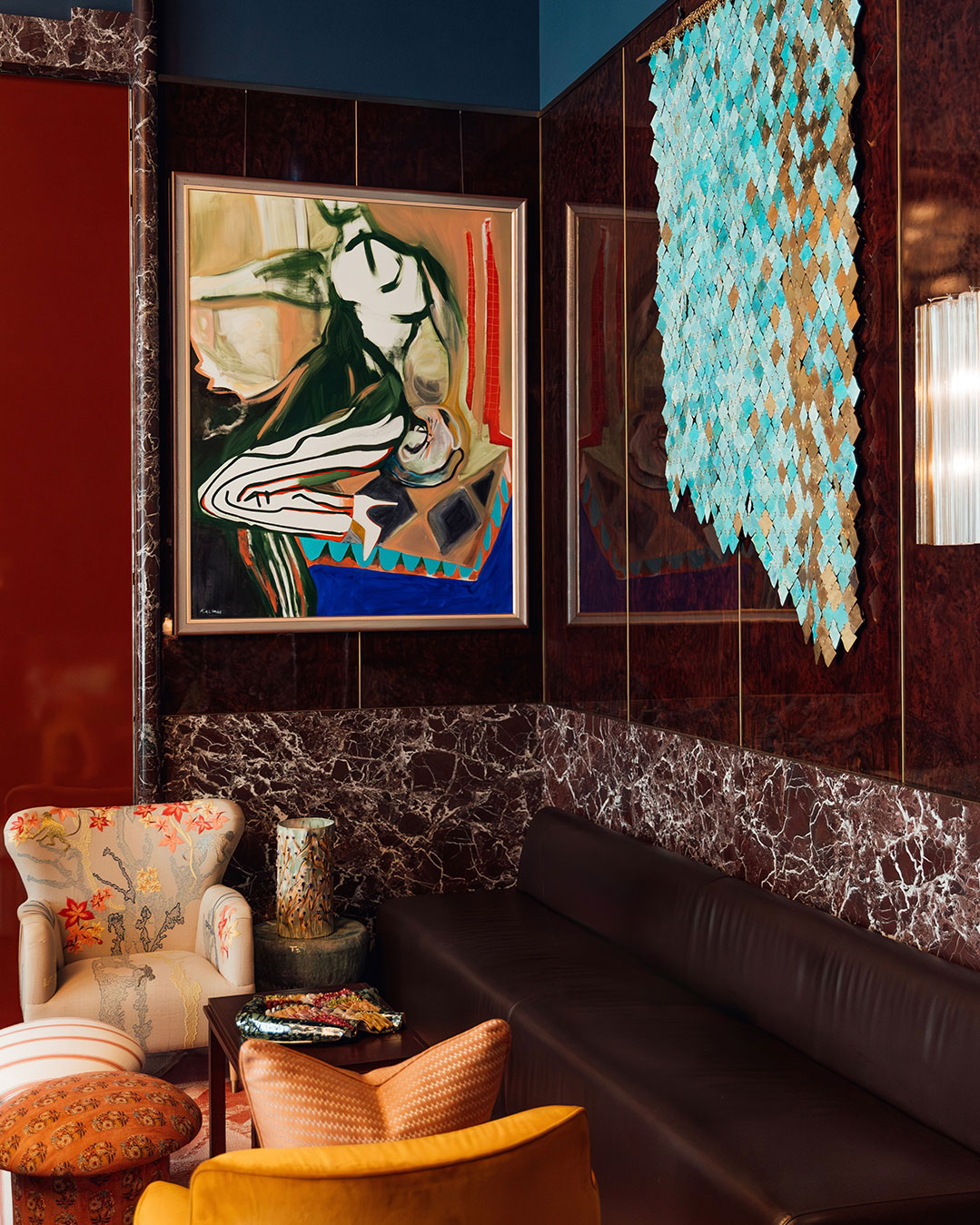
Club Art
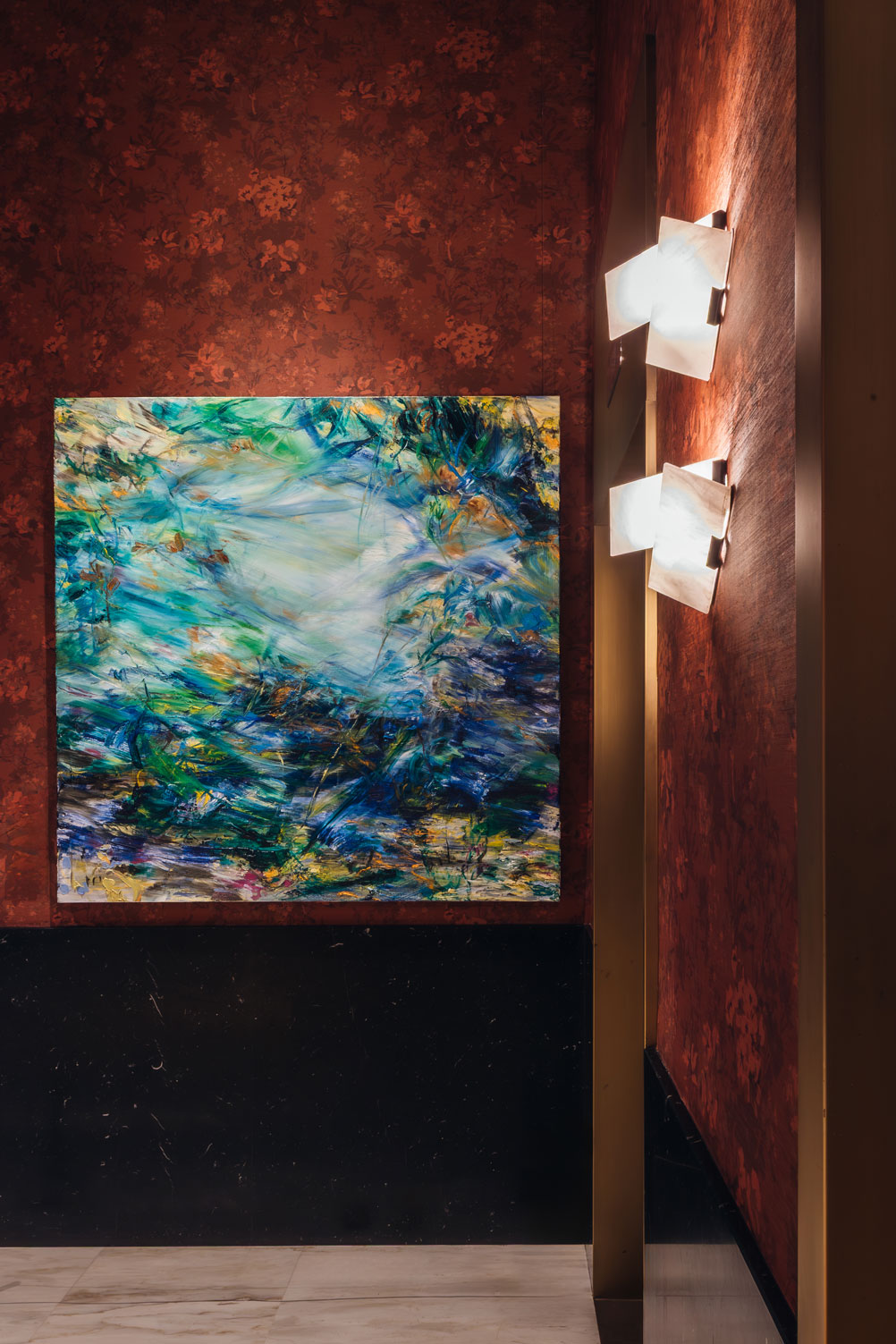
Find out more about the club’s growing contemporary collection and discover the seasonal exhibition programme
- Art
![Lawkena Maciver left angle shot]()
Club Art
Find out more about the club’s growing contemporary collection and discover the seasonal exhibition programme
- Permanent Collection
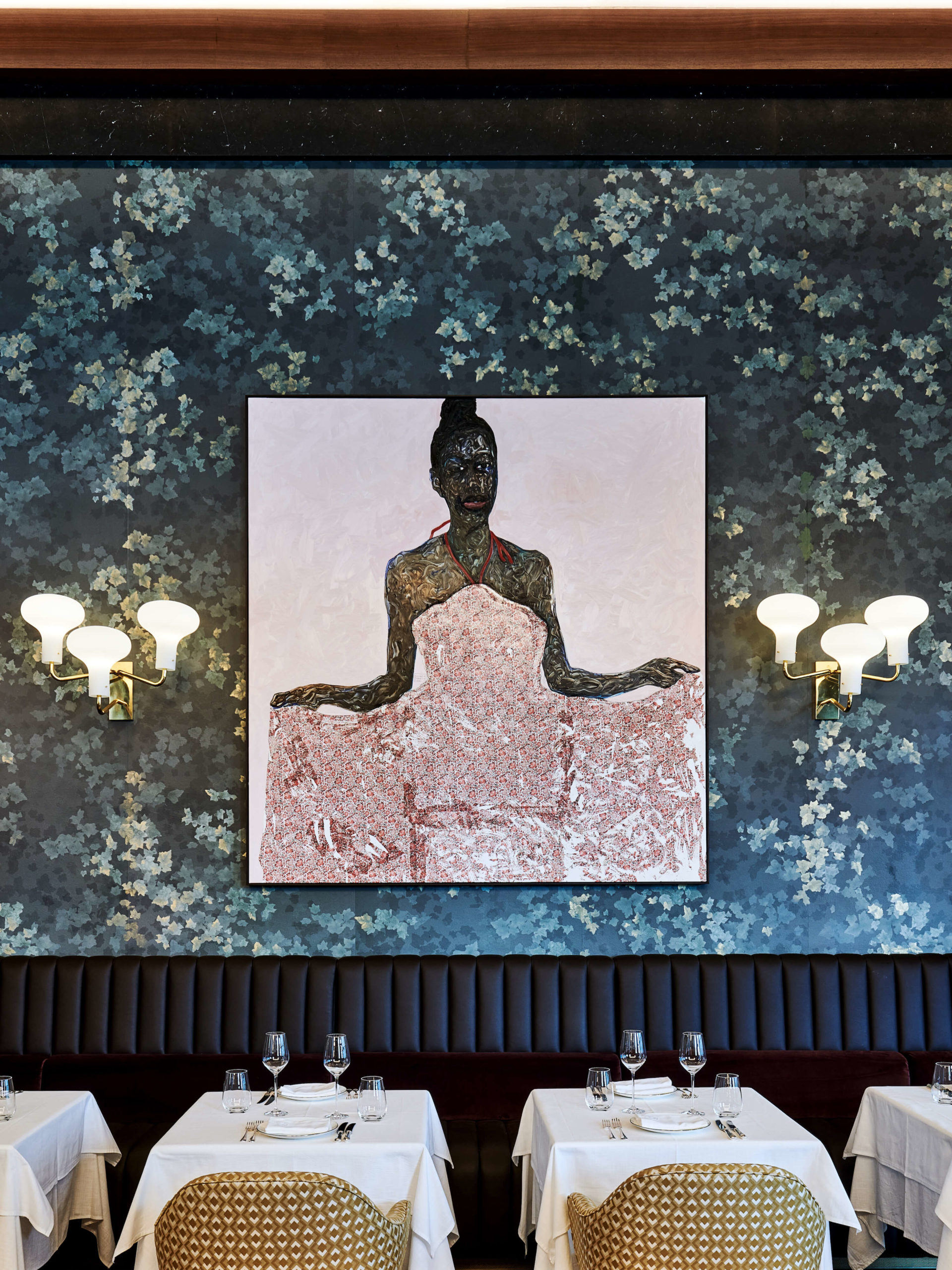
![Amoako Boafo Floral Halter Dress 2020]()
- Exhibitions
![Art viewing]()
- Music
![Live music in Alveare for New Years Eve]()
Music
The club’s dynamic music programme is spread across all four floors, from DJs and live bands, to solo singers and head line acts…
- Arts & Culture
- Cultural Programme
- Cultural Programme
![CPMenu]()
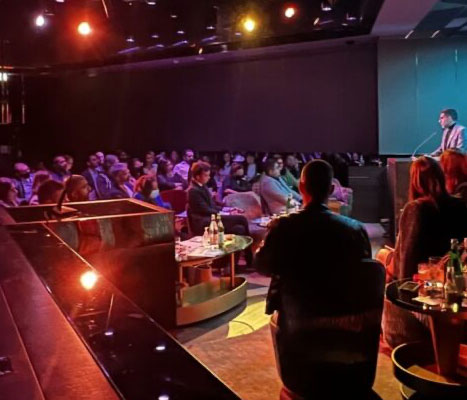
We work alongside Creative and innovative communities, independent cultural entities, thinkers and artists, as well as world-renowned institutions to create culturally poignant events for the Club’s members
- The Ladies’ Majlis
![Majlis]()
The Majlis is a serene, culturally grounded setting designed exclusively for female members and their guests. Conceived as a space for meaningful gathering, exchange, and reflection, the Majlis fosters connection within a refined and intimate environment.
- Podcasts
![Sybel_Reception]()
The Culture Counter
Don’t miss out on the cultural programme of member events, catch up here…
- Stories
![White cubes in the desert]()
Find out all the latest news, stories and highlights from the club, from exciting debates, one-on-one interviews, seasonal parties, art installations and more…
- Member Events
![Whats-On-300×288]()
Member Events
Take a look at upcoming events at the club as part of our member events and cultural programme…
- Cultural Programme
- Food & Drink
- Food & Drink
![Food and Drink]()
Dining, Drinking
The club has an array of exciting, elegant and relaxed options for dining and drinks…
- Ofelia
![01_Ofelia_Entrance_web]()
Ofelia
A reinvention of the beloved Italian cuisine takes centre stage in one of our most bustling spaces…
- The Brasserie
![02_The_Brasserie_web]()
Brasserie
Open throughout the day, starting with breakfast, The Brasserie is the largest of the club’s three restaurants…
- Rōhen
![03_Rohen_web]()
Rōhen
Exhilarating Japanese and Peruvian flavours come together at Rōhen, the club’s Nikkei restaurant…
- Members’ Lounges
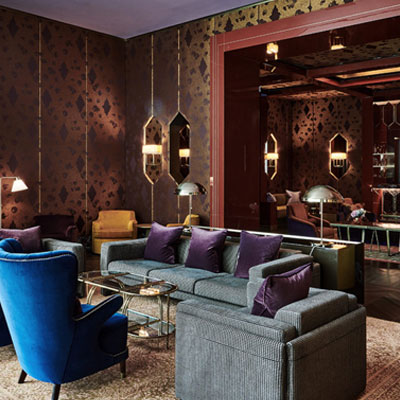
![Palazzo-A_03_web]()
Members’ Lounge
With members’ lounges on all floors, there are many spaces in which to have a more relaxed bite…
- Oscuro
![Oscuro]()
Oscuro
The club’s official cigar lounge is home to a bespoke humidor, well stocked with fine smokes…
- Oscuro Kitchen
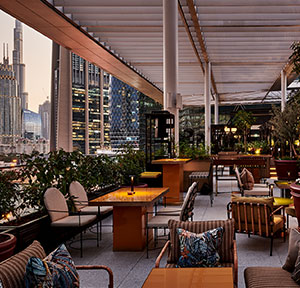
![04_The_Rooftop_web]()
Oscuro Kitchen
Alfresco lounge dining, complemented by a dedicated menu of signature cocktails.
- Food & Drink